
Compound bow are favored by shooters for their precision, efficiency, and adjustability, with tension adjustment being a crucial factor affecting the shooter’s experience and shooting performance. Beginners often neglect proper tension matching, leading to unstable shooting, arm fatigue, or decreased accuracy. Suitable tension not only ensures smooth shooting motions but also improves accuracy and training comfort. This article will detail six key steps in adjusting the tension of a compound bow, helping shooters quickly find optimal strength for accurate and stable shooting.
I. Understanding the Importance of Compound Bow Tension
Before adjusting the draw weight, archers need to understand its crucial role in shooting. Excessive draw weight not only increases the load on the arms, shoulders, and back but can also lead to unstable shooting motions and incorrect shooting posture; insufficient draw weight reduces arrow speed and stability, diminishing the shooting effect. Each archer’s physical strength, compound bow pulling habits, and shooting objectives differ; therefore, the choice of draw weight must be scientifically adjusted based on individual circumstances. Understanding the impact of draw weight on shooting is fundamental to subsequent adjustments.
II. Measuring one’s own pulling force and arm span
The first step in finding the right draw weight is understanding your own abilities, including draw strength and arm span. Measurements can be taken using a draw weight chart provided by the compound bow manufacturer or through testing by a professional instructor to ensure accurate data. Arm span determines the safe distance the arrow travels when the bow is fully drawn, while draw strength affects the force applied with each draw of the compound bow. Beginners should maintain a natural posture during measurement, avoiding data inaccuracies caused by tension or uneven force. Through scientific measurement, archers can determine their initial draw weight range, providing a reference for adjustments.
III. Understanding Tensile Strength Ratings and Compound Bow Adjustment Mechanisms
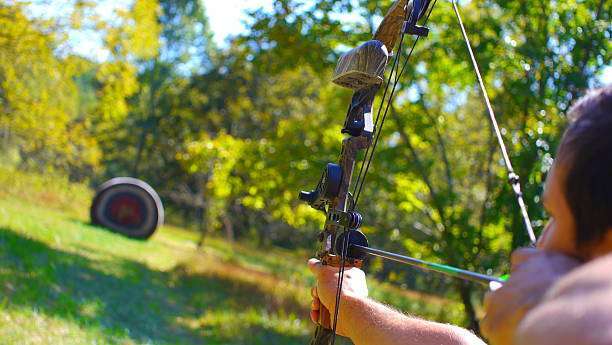
Modern compound bows typically feature adjustable draw weights, allowing archers to adjust them within a certain range to suit their individual needs. Understanding the draw weight levels and the bow’s adjustment mechanism is crucial for safe adjustment. Different brands and models of compound bows have different adjustment methods; some bows allow draw weight changes simply by rotating a screw or adjusting a pulley; others require specialized tools for adjustment. Before adjusting, archers should carefully read the instruction manual or consult a professional to ensure safe operation and avoid damaging the bow.
IV. Gradual Adjustment and Sensory Feedback
The draw weight should not be adjusted to the maximum or minimum value all at once, but rather gradually. After each adjustment, practice drawing the bow to feel the load on your arms, shoulders, and back, as well as the smoothness and comfort of the draw motion. Archers can test the arrow’s flight stability and aiming accuracy through short-range shooting to determine if the current draw weight is suitable. The gradual adjustment method allows archers to find the optimal force while ensuring safety, making each draw motion natural and precise.
V. Make fine adjustments based on the shooting objective.
Different shooting scenarios and purposes require different draw weights. For training and recreational shooting, a draw weight slightly below maximum tolerance can be used to ensure smooth movements and comfort during extended practice. Competition or long-range shooting may require a slightly higher draw weight for compound bows to increase arrow velocity and penetration. Shooters fine-tune the draw weight in practice, combining training and shooting feedback, to ensure the draw weight meets shooting requirements without increasing physical strain. Through repeated attempts, shooters develop sensitivity to different draw weight conditions, enabling precise adjustments.
VI. Data Recording and Long-Term Adaptation
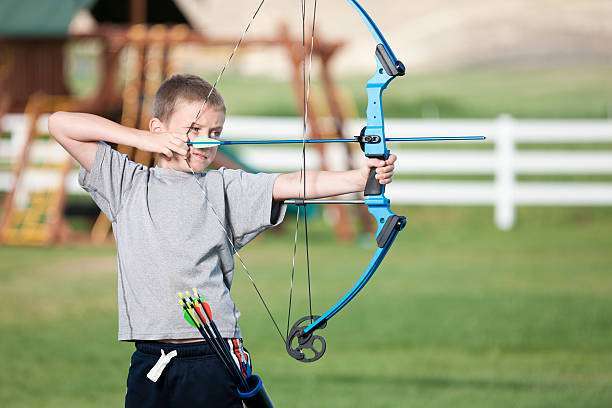
Once the appropriate draw weight is found, archers should record relevant data, including draw weight values, reach length, and arrow performance. As physical strength and skill improve, archers may need to adjust the draw weight appropriately to adapt to new training requirements. Long-term recording and tracking not only helps archers maintain peak shooting condition but also allows for quick adjustments to draw weight before changing arrows or competitions. Through data-driven management, archers can develop a scientific training system, ensuring consistent and accurate shooting movements in every shot.
VII. Pay attention to safety and personal protection
Safety and body protection are paramount when adjusting the draw weight. Excessive draw weight can lead to arm or shoulder injuries, especially for beginners attempting high draw weights. Arm and finger guards should be worn during adjustment, and proper drawing technique should be maintained to prevent injury from incorrect posture. After adjusting the draw weight, a short test should be conducted to gradually adapt to the new strength level, ensuring the body can complete the shooting action within its tolerance range. Safety awareness is crucial for continuous training and improving accuracy.
VIII. Summary
Compound bow draw adjustment is a core skill that every archer must master. By understanding the importance of draw, measuring one’s own abilities, familiarizing oneself with the bow’s adjustment mechanism, making gradual adjustments and incorporating feedback, fine-tuning according to the shooting objective, and managing long-term data recording, archers can easily find the optimal draw for accurate and stable shooting. Proper draw adjustment not only improves shooting accuracy but also protects physical health, making training and competition smoother and more comfortable. Mastering these six steps allows compound bow archers, whether beginners or advanced, to fully utilize the bow’s performance and achieve optimal results during archery.