Compound Bow’s 15-minute daily training plan for rapid improvement in accuracy.

Compound bow shooting is a sport that combines skill, strength, and mental control. Many beginners encounter the biggest problem not with bow performance, but with unscientific training methods and inefficient time allocation. Prolonged, inefficient practice leads to stiff shooting movements, inconsistent accuracy, and increased shoulder and arm fatigue. In fact, with a well-designed daily training plan, even just 15 minutes a day can rapidly improve shooting accuracy and gradually develop stable muscle memory and mental focus. This article will detail an efficient and scientific daily compound bow training plan, enabling beginners and advanced shooters to achieve significant progress in a short period.
I. Warm-up and preparation before training
A thorough warm-up before each training session is fundamental to ensuring both effectiveness and safety. Archers should begin with a light full-body stretch, paying particular attention to the shoulders, arms, back, and core muscles, as these areas bear the greatest load during compound bow pulls.
Simple shoulder circles, arm swings, and gentle core contractions and relaxations can raise muscle temperature, increase joint flexibility, and reduce the likelihood of stiffness and tremors during compound bow pulls. In addition, compound bow equipment should be checked before training, including the string tension, arrow integrity, and whether arm guards and finger guards are worn correctly. Warm-ups and equipment checks are indispensable parts of the daily training plan, determining the safety and efficiency of the training.

II. Basic Training in Standing Posture and Bow Grip
compound bow shooting primarily stems from a correct stance. The stance requires feet shoulder-width apart, slightly staggered, maintaining a balanced center of gravity. The upper body should be upright, shoulders relaxed but not excessively drooping, and core muscles slightly engaged. The hand holding the bow should lightly grip the handle, allowing the compound bow to naturally conform to the palm rather than being forcefully gripped. Daily training can include short periods of maintaining this stance to familiarize the body with the correct weight distribution and muscle engagement. Practicing a standard stance contributes to the stability of the draw and provides a reliable foundation for subsequent aiming, power generation, and breathing coordination.
III. Drawing the Bow and Controlling Power
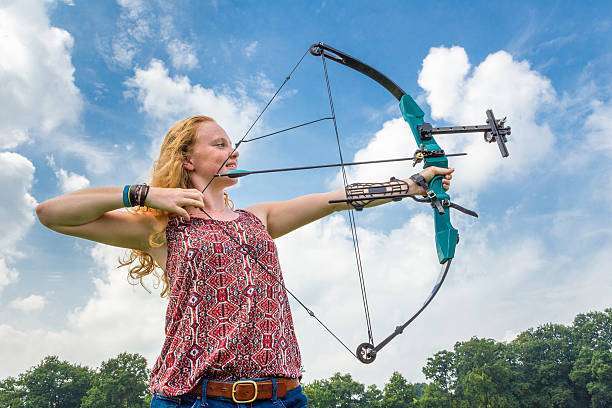
Drawing the bow is the core of compound bow training. Daily training should focus on the fluidity of the movement and the balanced distribution of power. During the draw, the shoulders, back, and core muscles need to work together to ensure the compound bow remains stable when fully drawn. The arm should form a natural arc, and the elbow should not be excessively raised or lowered. Beginners can start by practicing drawing the bow slowly to feel the muscle load under different draw weights, gradually developing standard movement through muscle memory. Power control not only affects the stability during release but also reduces shoulder and arm fatigue, allowing the archer to maintain accuracy during continuous training.
IV. Breathing and Power Coordination Exercises
Breathing plays a crucial role in archery, directly affecting power generation and arrow stability. The correct breathing method is deep abdominal breathing, maintaining a steady pace throughout the compound bow , and gently holding your breath just before release to achieve optimal stability. Coordinating breathing with power generation requires gradual development through daily practice. Initially, practice slow compound bow pulls , focusing on the impact of breathing rhythm on the shoulder, arm, and core muscle activation. Consistent practice allows archers to maintain natural, fluid movements even under pressure, improving shooting accuracy.
V. Aiming Training and Fine-tuning of Movements
Precise aiming is the ultimate goal of compound bow shooting. Daily training should include time for aiming practice, observing the relationship between the arrow’s fletching, the arrow rest, and the target to understand how subtle adjustments affect the arrow’s flight. Beginners can start with low-intensity, short-distance shooting, slowly adjusting their aiming posture to improve hand-eye coordination. As proficiency increases, the distance can be increased or the target angle changed to train accurate aiming under different conditions. Practicing fine-tuning helps shooters identify deviations in their movements and gradually develop stable aiming habits.
VI. Training combining short and long distances
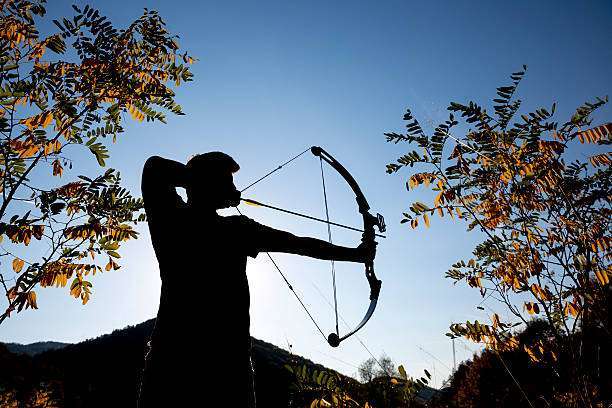
Training should incorporate shooting at different distances to comprehensively improve accuracy. Short-range shooting is suitable for quickly building fluidity and confidence, medium-range shooting helps improve aiming and breathing control, while long-range shooting strengthens arrow flight control and fine-tuning skills. Daily 15-minute training sessions can be allocated between short-range and medium-to-long-range shooting, allowing archers to practice different shooting conditions within a limited time. Through multi-distance training, archers can understand the impact of wind, distance changes, and posture adjustments on arrow trajectory, thereby improving their overall shooting performance.
VII. Psychological Concentration Training
Mental state has a significant impact on shooting accuracy. Daily training should include time focused on mental control, such as simulating competition environments, concentrating on the target, and eliminating external distractions. Combined with breathing control, shooters can remain calm, stabilizing arm and core muscle movements. Mental focus training not only improves short-term accuracy but also helps shooters perform at their best in actual competitions or under pressure. With consistent daily training, a natural ability to adjust mentally will develop, providing consistent support for shooting.
8. Exercises combining strength and flexibility
Compound bow shooting requires strength in the shoulders, arms, and core muscles, while also demanding fluid and natural movements. Daily training plans can incorporate light strength and flexibility exercises, such as core engagement, shoulder stretches, or resistance band training, between compound bow pulls and aiming. These exercises enhance muscle control and stability, reduce fatigue, and maintain smooth movement. Combining strength and flexibility training with shooting movements, just 15 minutes daily can significantly improve accuracy and shooter fitness, creating an efficient training cycle.
IX. Shooting Records and Self-Feedback
After each day’s training, archers should record training data, including hit rate, arrow deviation, coordination of breathing and power exertion, and aiming stability. By observing changes in the data, they can identify weaknesses in their movements and make targeted adjustments. Data recording helps archers clarify training priorities, optimize the next training plan, and maximize the effectiveness of short daily practice sessions. By consistently adhering to data-driven management, archers can develop a scientific training system, gradually improving accuracy and movement stability.
X. Summary and Long-Term Plan
The daily 15-minute compound bow training program utilizes nine key components: warm-up, basic standing bow grip, compound bow strength control, breathing and power coordination, aiming fine-tuning, training at different distances, mental focus, combining strength and flexibility, and training record feedback. This program aims to efficiently improve accuracy in a short period of time.
By consistently implementing this program, beginners can quickly master basic archery skills, while advanced archers can steadily improve their accuracy and consistency. Scientifically planned daily training, combined with psychological and muscle memory training, allows each archer to achieve significant results within a limited timeframe, ultimately realizing the long-term goal of improving shooting accuracy.