5 essential bow-drawing techniques for compound bow beginners to quickly master

The compound bow, as the most technologically advanced bow type in modern archery, is the first choice for both beginners and professional archers due to its high accuracy and stability. However, many beginners often neglect the most basic drawing posture when first learning the compound bow, leading to unstable shooting, low accuracy, and even affecting the health of their arms and shoulders. This article will analyze five key drawing posture techniques for beginners from the perspectives of posture, breathing, power generation, psychology, and practice methods, helping you quickly master the compound bow and build a solid foundation in archery.
I. Correct stance: The first step to stable shooting
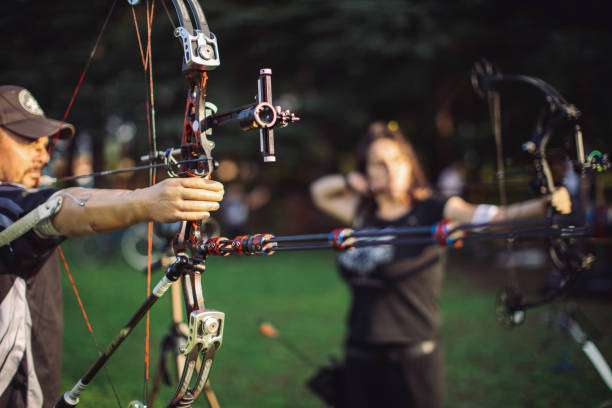
The foundation of a proper drawing posture lies in a stable stance. For compound bow beginners, stance not only affects body balance but also directly impacts the arrow’s trajectory. First, the feet should be shoulder-width apart, parallel or slightly staggered, distributing body weight evenly. The upper body should remain naturally upright, but not stiff, with shoulders relaxed to avoid tilting the upper body when drawing the bow. Hand position is also important: the drawing arm should be at shoulder height, and the wrist should not be tense when holding the bow to ensure a smooth drawing motion. A correct stance allows beginners to maintain stability during continuous shooting, preventing body swaying from affecting accuracy.
II. Bow Holding Posture: Relaxed Hands and Balanced Strength
The bow grip plays a crucial role in supporting and guiding the arrow during the drawing process. Many beginners grip the bow too tightly, causing hand tension and affecting shooting stability. The correct grip is to let the bow handle naturally rest against your palm, then lightly hold the bow, avoiding excessive force with your fingers; maintain a relaxed yet controlled grip. The point of contact between your palm and the bow handle should be centered, distributing pressure and reducing hand fatigue during drawing. Mastering this grip not only improves accuracy but also prevents hand soreness during prolonged practice.
III. Drawing the Bow: Smoothness is Key
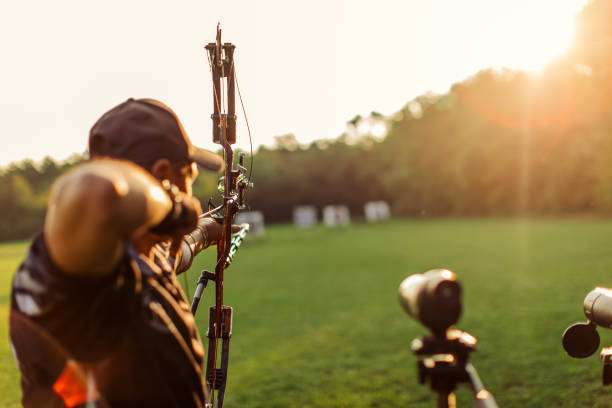
The drawing motion is the core of compound bow shooting. Beginners often draw the bow stiffly or too quickly, resulting in uneven force and affecting the arrow’s trajectory. The correct drawing motion involves coordinated effort from the shoulder and back muscles, with the arm and shoulder forming a natural arc during the draw while keeping the wrist and fingers relaxed. At the peak of the draw, the arm should be level with the shoulder, and the arrow should be horizontal to the eye, ensuring stable flight. Beginners can practice compound bow shooting by drawing the bow slowly, feeling the engagement of the shoulder and back muscles, gradually developing muscle memory, and thus achieving smoother movements in actual combat.
IV. Coordinating Breathing and Power: Improving Shooting Stability
Coordinating breathing and force application is crucial for compound bow beginners. Many beginners hold their breath or breathe irregularly when drawing the bow, leading to stiff movements and decreased stability. The correct breathing method is to maintain steady breathing throughout the draw and gently hold your breath just before releasing the arrow, synchronizing force application with breathing to achieve optimal stability when the arrow is released. Coordinating breathing and force application reduces upper limb tremors, improves accuracy, and also helps relax the body, making the shooting motion more natural.
V. Aiming and Releasing the Arrow: The Final Stage of Precision Shooting
After drawing the bow, aiming and releasing the arrow are crucial for a successful shot. Beginners should primarily use their eyes to aim, keeping the target centered in the sights while maintaining a stable body posture. The release should be natural and smooth; avoid forceful swinging of the hand, and ensure the muscles in the arm and shoulder remain stable throughout the release. Practice can be done through simulated shooting or low-intensity training to continuously adjust aiming and releasing movements, allowing the body to develop stable muscle memory. Mastering this step, combined with the four techniques mentioned earlier, will enable beginners to achieve high accuracy in compound bow shooting.
VI. Practice Plan and Continuous Progress
After mastering the five basic bow-drawing techniques mentioned above, consistent practice is crucial. For beginners, scheduling a fixed amount of time each day to practice compound bows , such as 15 to 30 minutes, will gradually build muscle memory and shooting stability. The practice plan should include stance training, repetition of the bow-drawing motion, aiming practice, and breathing control training. Simultaneously, by observing your shooting trajectory and feedback, adjust your posture and power generation, gradually correcting errors. Long-term consistent training will not only improve accuracy but also strengthen your arms and back, making your archery movements more natural and fluid.
VII. Psychological Adjustment and Shooting Confidence
For beginners learning compound bow shooting, psychological factors are equally important. Many people become nervous for fear of incorrect bow-drawing posture or low accuracy, affecting the stability of their shooting movements. Methods to build confidence include practicing in stages, setting achievable small goals, and recording progress. Every shot is a practice opportunity; don’t be discouraged by short-term mistakes. Mental stability and confidence will allow beginners to be more relaxed during the bow-drawing process, naturally improving accuracy.
VIII. Common Problems and Corrective Measures
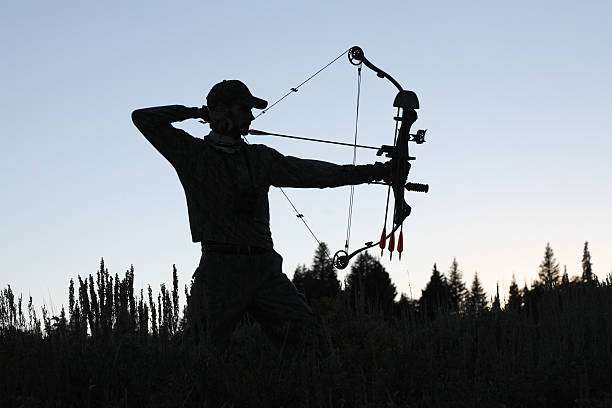
Common problems encountered by beginners include incomplete bow-drawing motion, tense shoulders, uneven wrist force, unstable breathing, and aiming deviation. These issues can be corrected by observing one’s own movements, consulting an instructor, practicing in slow motion, or recording video playback. Through repeated practice and correction, beginners can gradually develop a standard bow-drawing posture, reducing the impact of incorrect movements on accuracy and physical health.
IX. Conclusion
For compound bow beginners, the correct draw posture is crucial for shooting stability and accuracy. From stance, bow grip, and draw motion to breathing coordination, aiming, and release, each step requires meticulous practice and understanding. By establishing a reasonable practice plan, focusing on mental adjustment, and continuously correcting mistakes, beginners can master compound bow shooting techniques in a short time, achieving accurate and stable shooting results. Mastering these five draw posture techniques not only allows for quick mastery of the compound bow but also lays a solid foundation for long-term archery training.